How to Choose the Best Papaya Variety for Your Farm
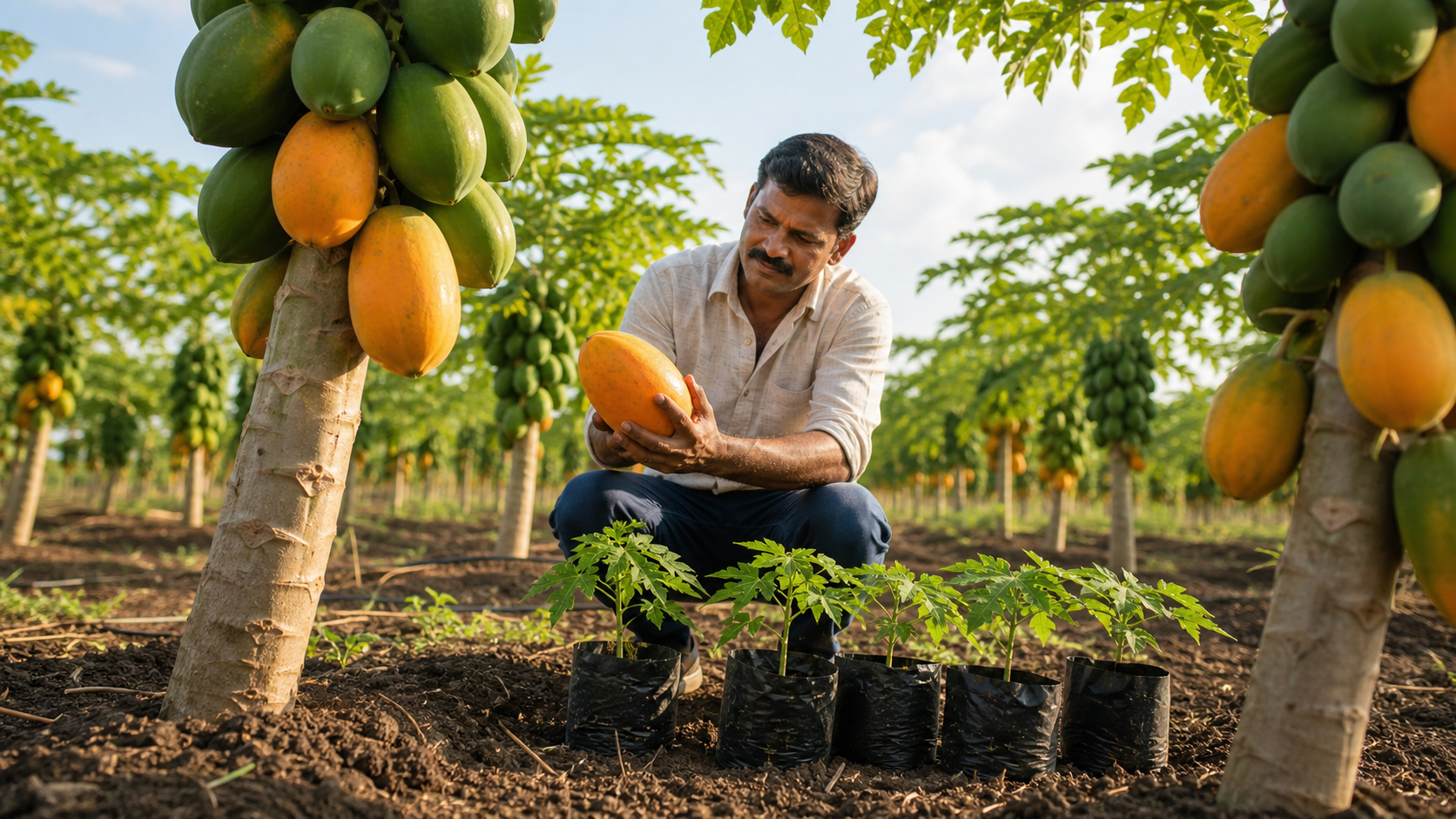
How to Choose the Best Papaya Variety for Your Farm
Choose the Best Papaya Variety for Your Farm is easier to manage when you treat it as a sequence of small, practical decisions. Papaya farming works best when the field is open, the drainage is dependable, and the grower checks the crop often instead of waiting for visible problems to build up. This guide turns that topic into clear steps that farmers, students, teachers, and home gardeners can apply with confidence.
For AgriLibMM readers, the goal is simple: make the next action clearer. Whether you are reading for class, planning a field, or improving a home garden, variety choice and farm fit becomes much more useful when you connect it to soil, water, timing, and observation.
What matters most in variety choice and farm fit
Start with the foundation
When you begin this topic, it helps to ask what the crop or field needs most right now. Good results usually come from a stable starting point, not from stacking too many changes in the first week.
Use one clear routine
A simple routine often works better than a complicated one. If you can repeat the same checks for soil, water, and plant condition, it becomes easier to notice what is improving and what still needs attention.
Review and adjust
The best farm decisions are reviewed after the fact. Keep a short note about what happened, what changed, and what you would do differently next time so the next season starts with better information.
A practical reference table
| Focus area | What to do | Why it matters |
|---|---|---|
| Site selection | Choose a sunny, open location | Good drainage lowers the risk of root stress. |
| Planting material | Use healthy transplants | A clean start saves time later. |
| Nutrition | Split feedings across the season | Papaya uses nutrients more steadily than a single heavy dose. |
| Harvest | Pick at the correct color stage | Better timing supports quality and shelf life. |
Tips you can use this season
- Start with healthy, uniform seedlings and keep the planting area clean before transplanting.
- Use irrigation on a regular rhythm so papaya does not swing between drought stress and waterlogging.
- Keep weeds low during early establishment because young papaya plants compete poorly for light and moisture.
- Watch fruit development closely and plan harvest handling before the first pick begins.
Warnings worth respecting
- Do not let water sit around the root zone for long periods.
- Avoid mixing too many new inputs at once when you are trying to fix a crop issue.
- Do not wait too long to harvest once fruit reaches the right stage for your market.
Frequently asked questions
What is the best first step for variety choice and farm fit?
The best first step is to understand your field conditions, crop stage, and budget before changing the whole system at once.
How can beginners avoid common mistakes with variety choice and farm fit?
Keep the plan simple, observe the crop often, and change one variable at a time so you can see what actually helped.
What records should I keep while working on variety choice and farm fit?
Write down dates, inputs, weather notes, problem spots, and any change you made during the season.
Can this advice work on small farms or home gardens?
Yes. The same principles can scale up or down when you match the method to your space, labor, and goals.
Conclusion
How to Choose the Best Papaya Variety for Your Farm works best when the basics stay visible: soil condition, crop stage, water, records, and honest observation. If you keep the plan simple and review what happened at the end of each cycle, you will usually make stronger decisions in the next one.
Summary
- Focus on the basics first.
- Keep records so the next decision is easier.
- Use the simplest approach that solves the real problem.
- Review results and adjust one step at a time.